Industrial Pellet 3D Printers for Large-Scale Manufacturing
Print large parts faster and at significantly lower material cost using thermoplastic pellets.
What We Provide

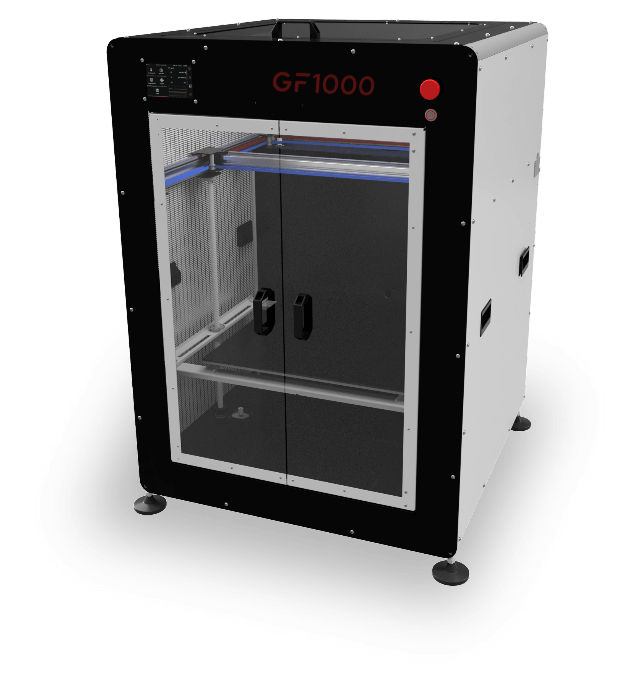
Pellet 3D Printers
Advanced industrial-grade pellet extrusion technology designed for high-speed, cost-effective manufacturing.

Large Format 3D Printing Services
On-demand manufacturing services for oversized, complex components with precision, scale, and speed.
What is Pellet 3D Printing?
Pellet 3D Printing: The Next Evolution
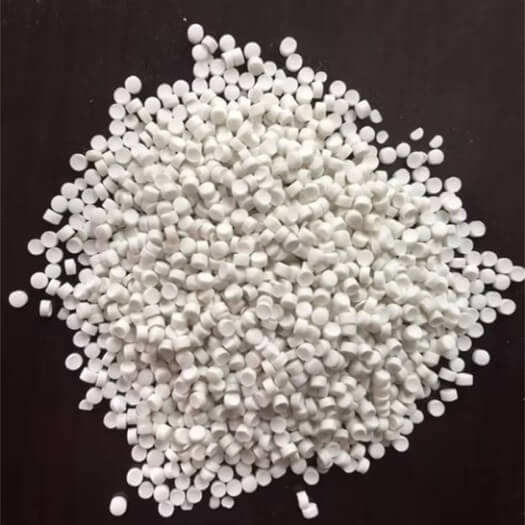
Pellet 3D printing uses raw thermoplastic pellets instead of filament to manufacture large parts faster and at significantly lower material cost. It enables high-throughput additive manufacturing for industrial applications.
Benefits of Pellet 3D Printing
What Makes Pellet 3D Printing a Smarter Choice
Pellet 3D printing, also known as granule-based additive manufacturing, uses plastic granules as the primary feedstock rather than pre-processed filament. These granules are continuously fed into a high-temperature extruder, where they are melted and precisely deposited layer by layer to form the final part.


Cost-Effective
Use industrial-grade plastic granules that are 60–90% cheaper than filament, with added bulk sourcing advantages.


Easy to Operate
Direct pellet feeding ensures simple operation and continuous, interruption-free printing
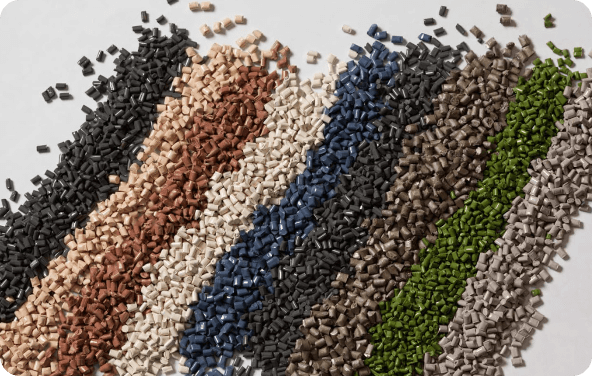

Wide Material Range
Compatible with engineering-grade, flexible, filled, and recycled thermoplastics, including custom polymer blends.
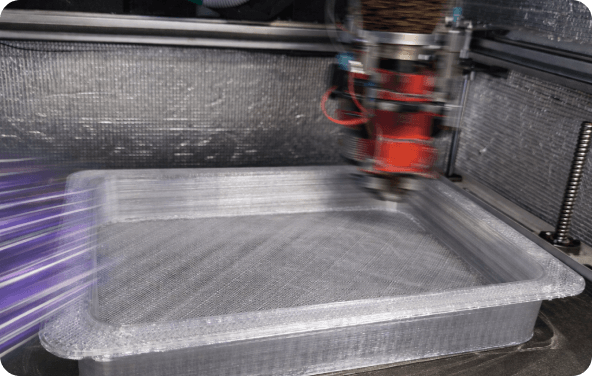

Faster Print Speeds
High-flow pellet extrusion enables rapid throughput, reduced cycle times, and larger part production.
Materials
Industrial Materials. Limitless Possibilities.
Choose from a growing library of thermoplastics and composites to match your application’s requirements for strength, flexibility, or heat resistance.
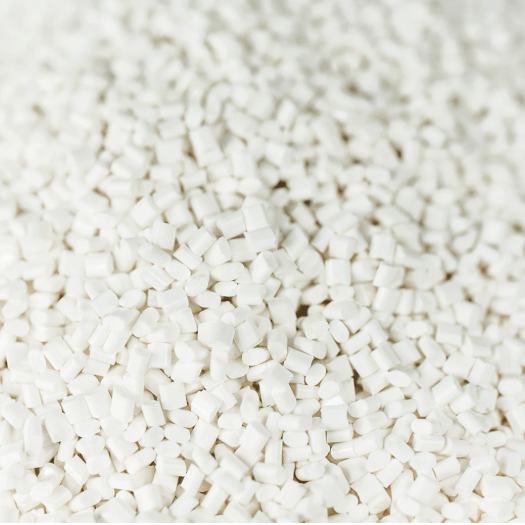
PLA
PP-GF
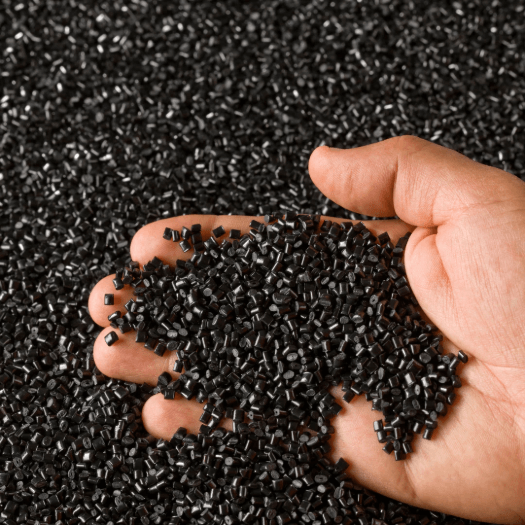
PP-CF
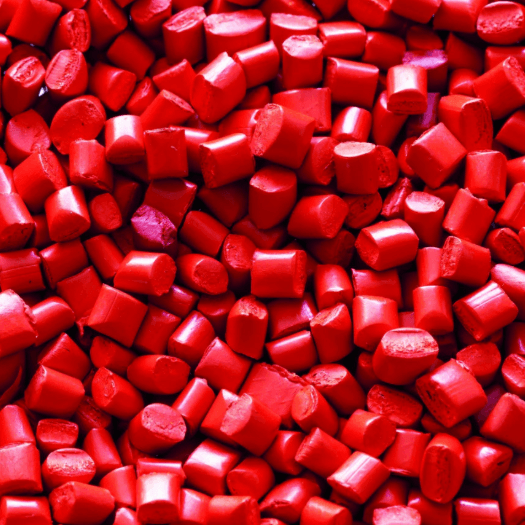
ABS
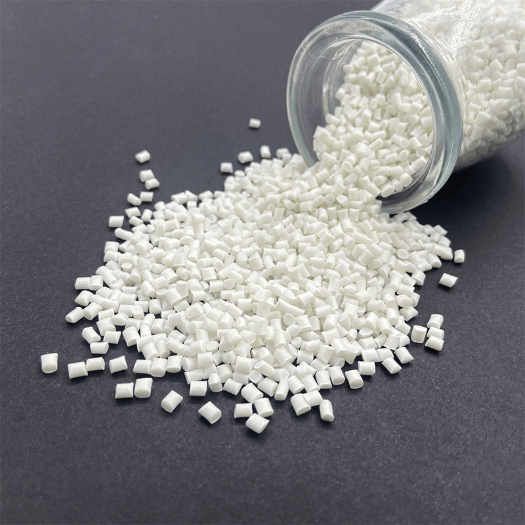
Highspeed PLA
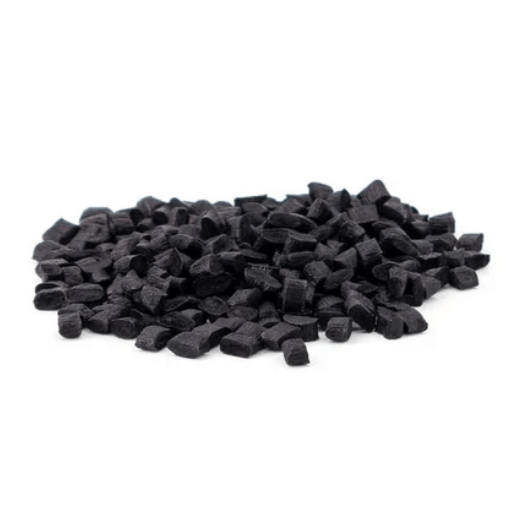
PLA-CF
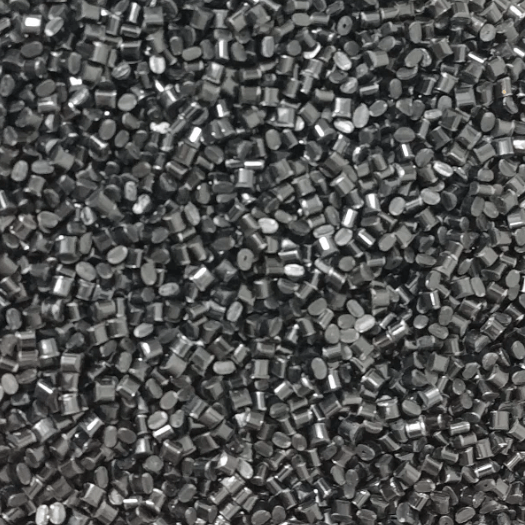
ABS-CF
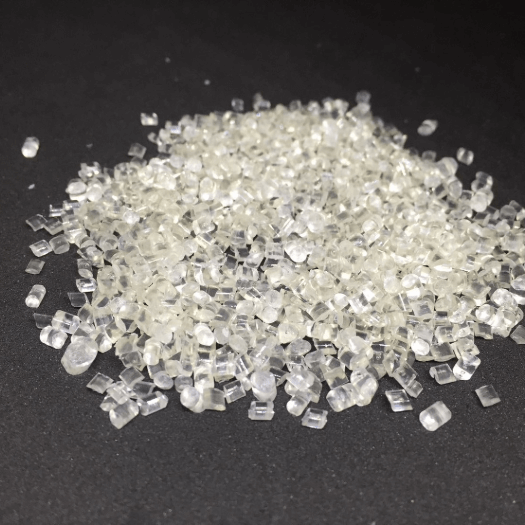
GPPS
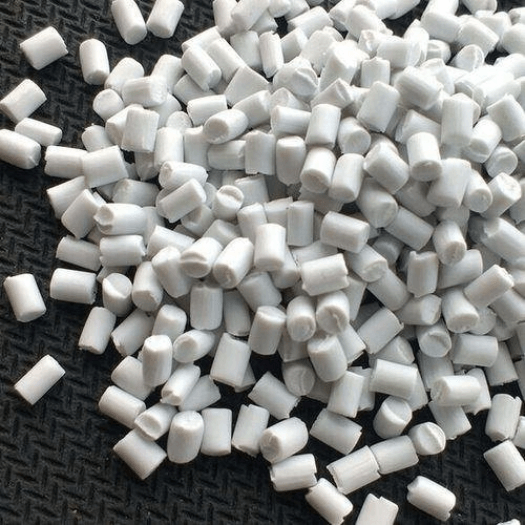
HIPS

TPU
TPE
Applications
Built to serve a Broad Range of Industries
From functional prototypes to finished parts, Gigaaform enables innovation across industries through pellet-based 3D printing.
3D Printer
Meet the GigaaForm Lineup
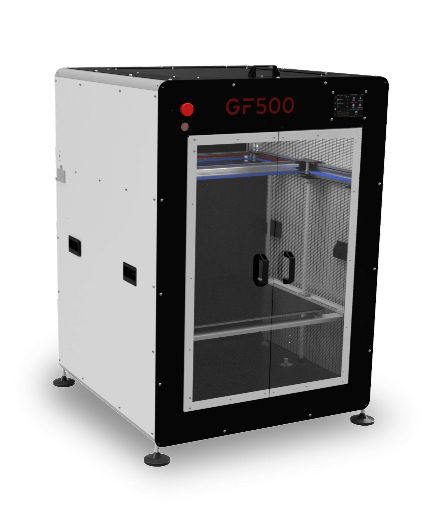
GF500 Pellet 3D Printer
Large Scale, Build Volume: 500 x 500 x 500 mm
A fully enclosed, large-format commercial 3D printer for mid-scale production and prototyping.
-
 Print Technology: FGF (Fused Granulate Fabrication)
-
Nozzle Temp: Up to 300°C
-
Heated Bed: Up to 120°C
-
Operating Temp: Up to 60°C
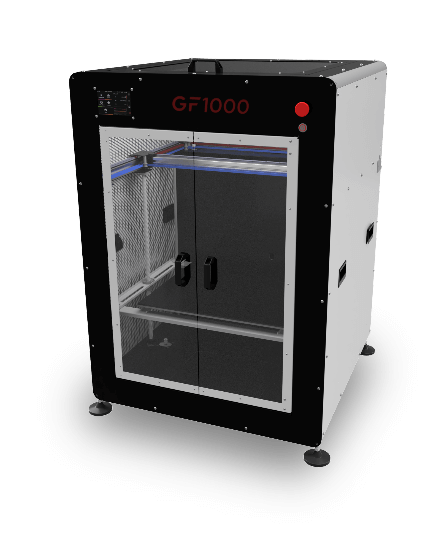
GF1000 Pellet 3D Printer
Large Scale, Build Volume: 1000 x 1000 x 1000 mm
A large-format pellet extrusion printer built for industrial-grade part production.
-
Print Technology: FGF (Fused Granulate Fabrication)
-
Nozzle Temp: Up to 300°C
-
Heated Bed: Up to 120°C
-
Operating Temp: Up to 60°C
Ready to Scale Your Production with Pellet Printing?
Talk to our team to find the right GigaaForm solution for your application, whether you’re prototyping, tooling, or producing large-format functional parts.